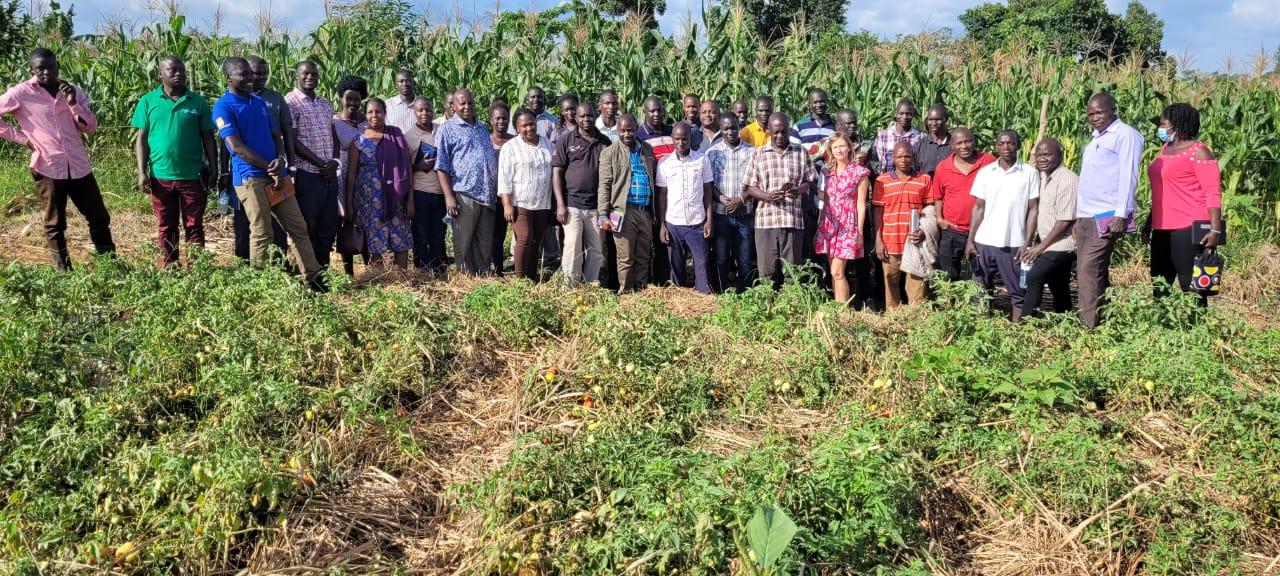
Tree-planting events provide a visible sign of environmental action. Seedlings are distributed, leaders make speeches and volunteers pose for photographs. The harder work begins after the ceremony: protecting young trees through dry seasons, preventing fire and grazing, replacing failures and ensuring that the restored area becomes a healthy ecosystem. Uganda’s forest restoration agenda should therefore measure survival and ecological recovery, not only seedlings planted. The National Forestry Authority, the Ministry of Water and Environment, district governments, private landowners and communities all have roles in building restoration programmes that last.
Not every landscape requires the same intervention. A degraded natural forest may recover best when protected from fire, grazing and repeated cutting. A farm may benefit from agroforestry species that provide shade, fruit, fodder or soil improvement. A riverbank needs vegetation that stabilises soil, while a commercial plantation is designed primarily for timber. Confusing these goals wastes resources and can harm biodiversity. Planting one fast-growing species across a natural ecosystem is not the same as restoring a forest.
Plans should begin with an assessment of rainfall, soil, land tenure, existing vegetation and community needs. Restoration teams need to identify the original ecosystem and the causes of degradation. If fires, uncontrolled grazing, illegal logging or disputed ownership remain unresolved, new seedlings are unlikely to survive. Some landscapes may recover naturally once the pressure is removed, making assisted natural regeneration cheaper and more effective than intensive planting.
Native tree species support insects, birds, mammals and microorganisms that have evolved with them. A diverse mix of indigenous species can improve resilience to pests, disease and changing weather. Exotic trees may be useful for timber, poles or fuelwood in suitable production zones, but they should not automatically replace natural forest. Seed quality is equally important. Nurseries need reliable seed sources, good records and trained workers so that seedlings are healthy and appropriate for local conditions.
The cost of digging holes and buying seedlings is only a small part of restoration. Budgets should include weeding, watering where practical, firebreaks, guards, replacement planting and ecological monitoring during the critical establishment years. Survival rates should be reported at regular intervals. A project that plants one million seedlings but keeps only a small share alive should not be presented as a success. Contracts and grants can link later payments to independently verified survival and growth.
Technology can strengthen monitoring, but it is not a complete answer. Satellite images and drones can reveal changes in vegetation cover across large areas. Field inspections remain essential because remote images may not distinguish a diverse natural forest from a single-species plantation or temporary crops. Monitoring should record species diversity, tree growth, soil condition, fire damage and the return of wildlife. Public dashboards can show whether funded projects are producing lasting results.
Restoration often fails where communities fear losing access to land or resources. Authorities should clarify ownership, boundaries and benefit-sharing before planting begins. Customary users, women, young people and households that collect forest products must be included in decisions. Community forestry agreements can provide defined responsibilities and benefits. Agroforestry, sustainable charcoal production, efficient cooking technologies and alternative energy can reduce pressure on protected forests while supporting household incomes.
New planting cannot compensate for continued destruction of mature natural forest. Older forests store carbon, regulate water and support biodiversity that takes decades to rebuild. Enforcement against illegal logging and encroachment must accompany restoration. Infrastructure and investment decisions should avoid critical forest areas wherever possible. Where damage cannot be avoided, mitigation should follow transparent ecological assessment rather than a simple promise to plant trees somewhere else.
Uganda needs a shared restoration register showing project locations, land status, species planted, funding, responsible organisations and survival results. Public reporting would reduce duplication and help researchers compare approaches in different regions. Long-term restoration is less dramatic than a launch ceremony, but it delivers the real benefits: protected water sources, cooler landscapes, healthier soils, biodiversity and sustainable forest products. Success is measured by thriving trees and ecosystems years later, with communities willing and able to protect them.
Sources: National Forestry Authority, https://www.nfa.go.ug/; Ministry of Water and Environment, https://www.mwe.go.ug/.
Photo credit: UNDP Uganda.