Uganda’s protected areas conserve extraordinary wildlife and landscapes that support tourism, research and national identity. They also border communities that experience the daily costs of conservation. Elephants may destroy crops, predators can kill livestock, and restrictions on land and resource use can affect household incomes. Lasting conservation is unlikely when neighbouring residents carry these costs but receive few visible benefits. Uganda Wildlife Authority’s work must therefore combine ecological protection and lawful enforcement with fair, dependable partnerships with local communities.
Human-wildlife conflict is not an abstract issue for a family that loses an entire season’s harvest in one night. Reporting systems should be accessible, and response teams should arrive quickly enough to prevent further damage. Authorities need consistent records showing where incidents occur, which species are involved and which measures reduce risk. Data can identify conflict hotspots and guide investment instead of waiting for repeated emergencies.
Physical barriers can help in suitable locations. Trenches, fences, beehive barriers, watchtowers and community patrols each have strengths and limitations. Their design must reflect terrain, wildlife behaviour and local maintenance capacity. A barrier that is launched with publicity but not repaired soon becomes ineffective. Early-warning networks connecting park staff, local leaders and farmers can improve response times. Mobile communication and agreed procedures allow communities to act before animals reach densely cultivated areas.
Revenue-sharing programmes are intended to return part of the value generated by protected areas to neighbouring communities. To build trust, residents need to know how much money is available, how projects are selected, who manages procurement and when work should be completed. A classroom, water point, health facility or livelihood project creates little confidence if construction remains unfinished or the service quickly fails. Public budgets and community monitoring can strengthen accountability.
Tourism employment and procurement should also reach neighbouring areas. Training local guides, buying produce from farmers, supporting cultural performers and craftspeople, and contracting local enterprises can spread benefits beyond a small number of formal jobs. Businesses operating near protected areas should develop transparent local-sourcing plans. Skills programmes can prepare young people and women for hospitality, guiding, transport, conservation technology and enterprise management.
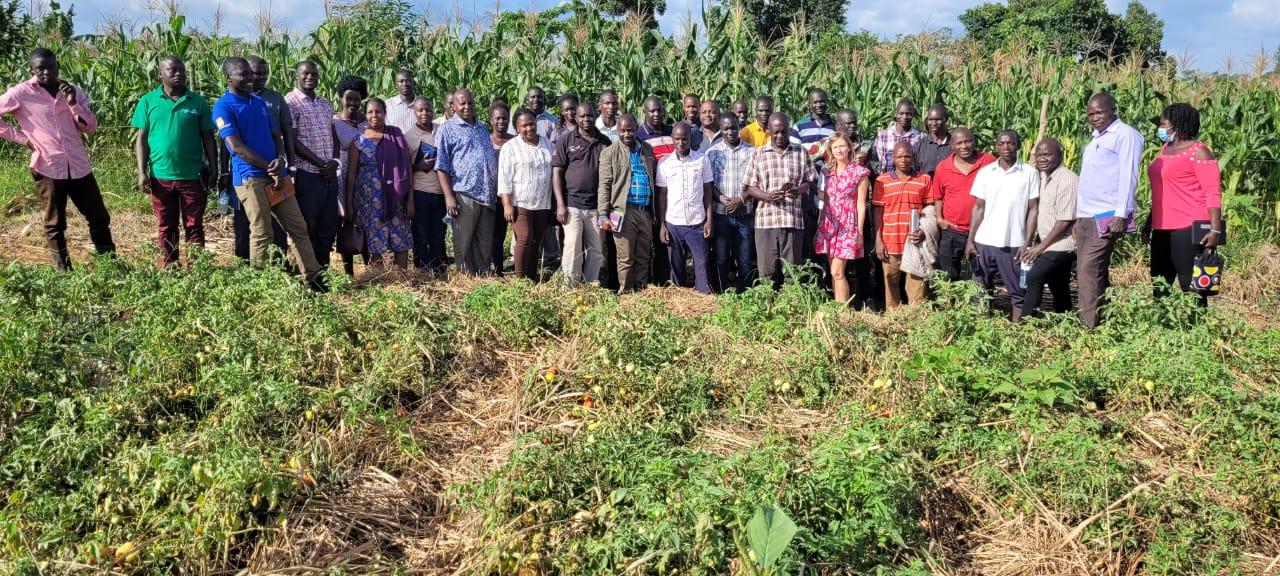
Conservation-friendly livelihoods can reduce pressure on protected areas when they generate reliable income. Beekeeping, tree nurseries, cultural tourism, sustainable crafts and improved agriculture may be appropriate in different landscapes. Programmes should be designed around actual market demand rather than distributing equipment without buyers, training or follow-up. Farmers can improve production on existing land through soil conservation, water management and better post-harvest handling, reducing the incentive for encroachment.
Community partnership does not remove the need to confront poaching, trafficking and illegal occupation. Rangers require training, equipment, intelligence support and welfare services to perform difficult work professionally. Enforcement must follow the law and respect human rights. Abuse undermines trust and can make intelligence gathering harder. Communities are often the first to notice suspicious activity, so trustworthy reporting channels and protection for informants can help authorities disrupt organised wildlife crime.
Wildlife moves beyond formal park boundaries through corridors and dispersal areas that may lie on private or community land. Roads, farms and settlements can isolate populations and increase conflict. Land-use planning should identify critical routes before development makes protection impossible or extremely expensive. Environmental assessments for infrastructure near protected areas should consider noise, lighting, water flows, animal movement and cumulative effects, with mitigation monitored throughout construction and operation.
Conservation succeeds when wildlife is safer and neighbouring families are more secure. These goals are connected. Transparent revenue sharing, rapid conflict response, viable livelihoods, lawful enforcement and inclusive planning create a stronger social contract around protected areas. Uganda’s wildlife is a national asset, but conservation is experienced locally. People closest to parks must be treated not as obstacles but as partners whose knowledge, safety and prosperity are essential to the future of the country’s natural heritage.
Sources: Uganda Wildlife Authority, https://www.ugandawildlife.org/; National Environment Management Authority, https://www.nema.go.ug/.
Photo credit: UNDP Uganda.