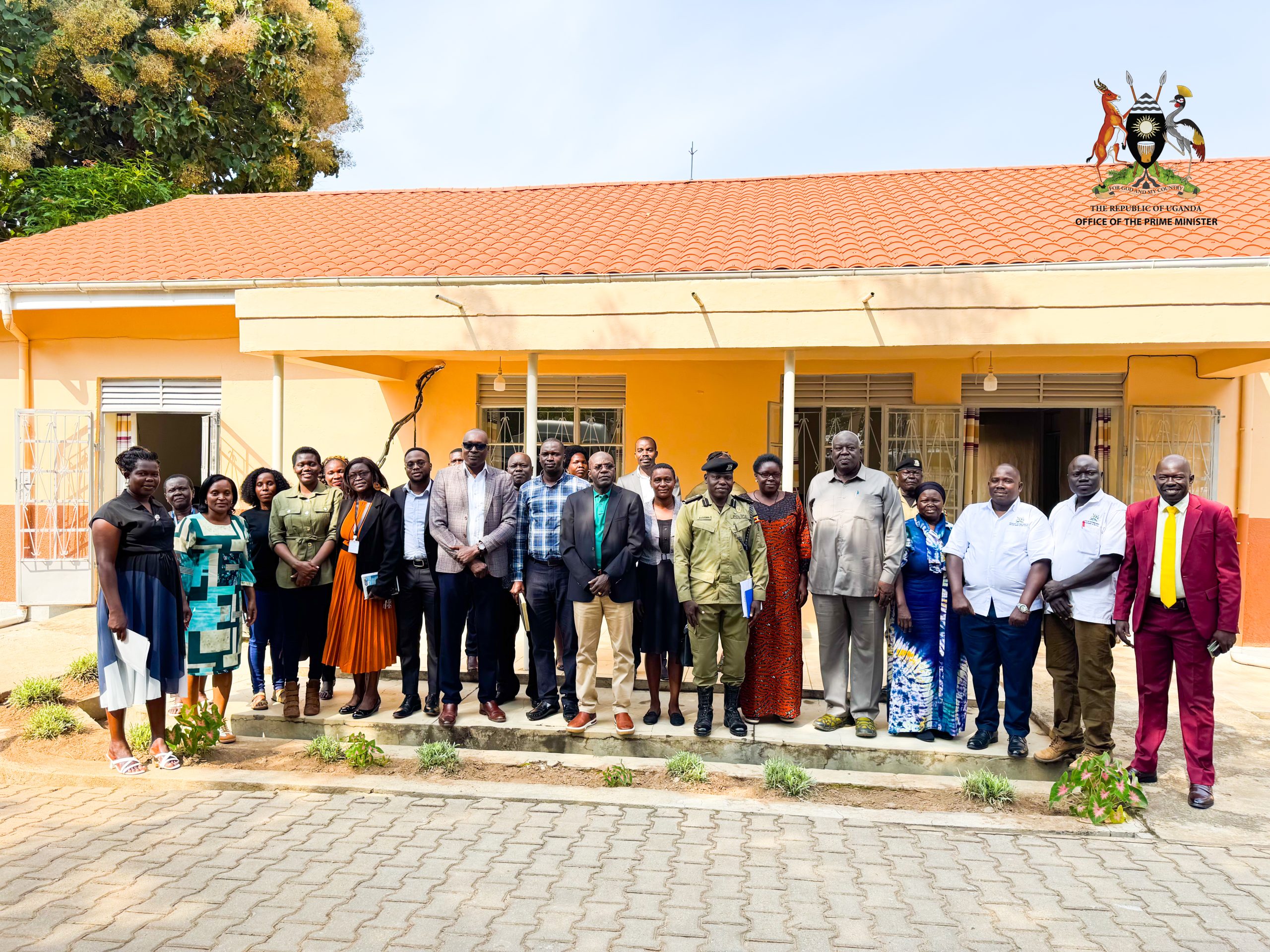
Members of Parliament and the Minister for Relief, Disaster Preparedness and Refugees, Sam Engola, have renewed debate over how Uganda can break Karamoja’s recurring hunger cycle. The discussion has shifted attention from repeated emergency food distribution toward irrigation, water infrastructure, commercial agriculture and longer-term livelihood investment.
Karamoja’s food insecurity is driven by several interacting pressures. Rainfall is variable, water infrastructure remains inadequate in many areas, livestock and crop systems face climate shocks, and household purchasing power is weak. Insecurity and environmental degradation can further limit production and movement.
Emergency food assistance remains necessary when lives are at risk, but it cannot be the only response. Relief arrives after households have exhausted crops, livestock or savings. A durable strategy should act earlier by monitoring rainfall, pasture, food prices, nutrition and water availability.
Irrigation is frequently proposed, but projects must fit local conditions. Large schemes can be expensive and difficult to maintain. Smaller water-harvesting structures, valley tanks, solar-powered systems and carefully selected irrigation sites may reach more communities when accompanied by maintenance arrangements.
Livestock remains central to livelihoods. Veterinary services, water points, pasture restoration, disease surveillance and secure market access can protect herds and reduce the need for distress sales. Interventions should respect pastoral knowledge rather than imposing unsuitable farming models.
Commercial agriculture can expand incomes, yet it should not displace food production or exclude households without large landholdings. Farmer organisations, extension services, storage and reliable buyers are needed if producers are to move beyond subsistence safely.
Nutrition services must be linked to agriculture. Children and pregnant or breastfeeding women can suffer severe consequences before a poor harvest is officially classified as a disaster. Health facilities and community workers need supplies and timely information.
Peace and security influence every development plan. Communities cannot invest confidently where cattle raids, weapons or disputes over resources remain serious threats. Security measures should be lawful and combined with mediation, youth opportunities and cross-district cooperation.
Roads and telecommunications also matter. Producers need access to markets and authorities need functioning communications for early warning. Infrastructure should be designed for heat, flooding and difficult terrain.
Programmes have often been implemented by multiple ministries and partners with limited coordination. Parliament can demand a single framework showing who is responsible, what is funded and how results are measured.
Local participation is essential. District leaders, elders, women, youth and livestock keepers should help design interventions. Projects selected without community ownership may fail after external funding ends.
Accountability must extend to relief distribution and development contracts. Public reporting should show quantities delivered, beneficiaries reached, infrastructure completed and assets functioning.
A long-term approach will take time, but some actions can begin immediately: repair water points, strengthen early warning, support animal health, prepare school feeding and protect the next planting season.
The debate should produce a costed plan rather than another set of general promises. Karamoja needs predictable investment that reduces vulnerability year after year while retaining emergency capacity for severe shocks.
Source: Parliament of Uganda, “MPs, Minister Engola Ponder How to solve Karamoja’s Hunger Cycle,” September 16, 2026, https://www.parliament.go.ug/news/4620/mps-minister-engola-ponder-how-solve-karamojas-hunger-cycle.