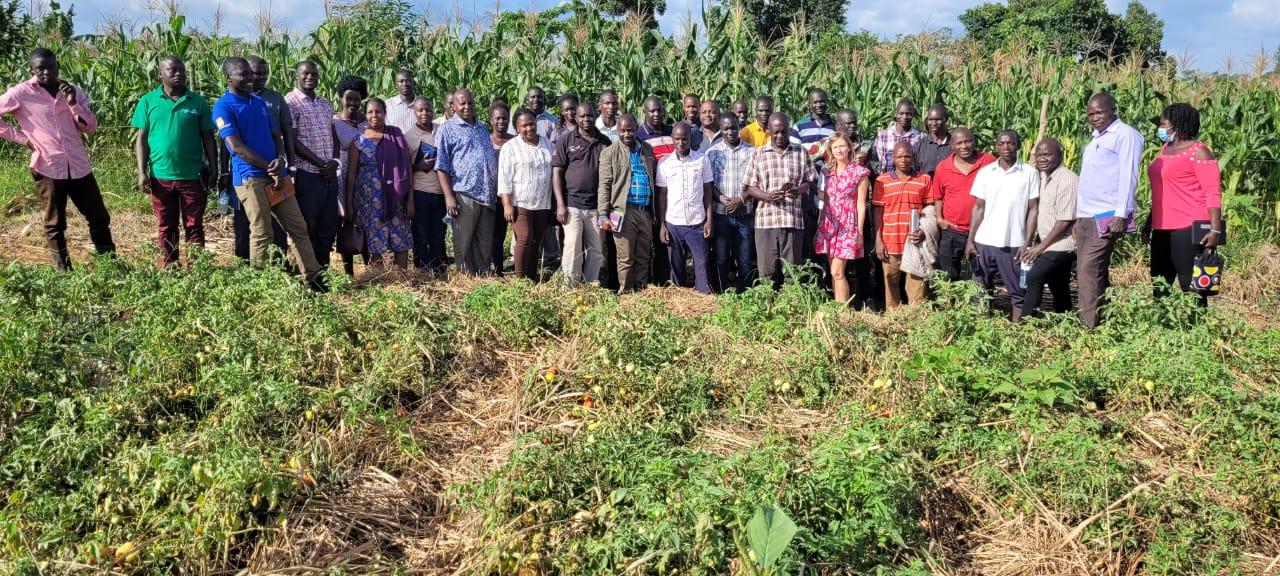
Uganda’s weather and climate services are increasingly important to decisions made by farmers, local governments, transport operators, health agencies and families. Seasonal forecasts can indicate whether different parts of the country are likely to receive rainfall that is above, near or below the long-term average, but their value depends on how quickly the information reaches people and how clearly it is translated into practical choices.
A national forecast is not a promise that every village will experience the same weather. Rainfall varies over short distances and may arrive unevenly during a season. A district can record a reasonable seasonal total while still suffering a damaging dry spell between planting and flowering. Communities therefore need regular updates, local observations and short-range warnings alongside the broad seasonal outlook.
For farmers, timing is critical. Advice linked to the forecast can guide land preparation, seed selection, planting dates, water harvesting and the spacing of crops. When dry conditions are expected, extension workers may recommend early-maturing or drought-tolerant varieties and greater attention to soil moisture. When heavy rain is likely, farmers need guidance on drainage, erosion control and the safe storage of harvested produce.
The same information should inform urban management. Kampala and other rapidly growing towns face flooding when intense rain overwhelms drainage channels that are blocked, undersized or built over. Forecasts give city authorities an opportunity to clear channels, inspect vulnerable road crossings, warn communities in low-lying areas and position emergency teams before the worst conditions arrive.
Road agencies and district engineers can use rainfall outlooks to protect bridges, culverts and unpaved roads. Preventive maintenance is usually cheaper than emergency reconstruction after a washout. Schools and health facilities in flood-prone areas also need contingency plans for access, water safety and temporary disruption.
Public communication remains a major challenge. Technical forecasts often use probability language that can be misunderstood as uncertainty or contradiction. Communicators should explain what the probabilities mean, identify the most likely hazards and state what different groups should do. Messages in local languages, community radio discussions and direct work with farmer organisations can extend the reach beyond smartphone users.
Uganda’s climate information system also depends on observation infrastructure. Weather stations, river gauges and trained personnel provide the data needed to produce and verify forecasts. Gaps in coverage reduce local accuracy. Sustained funding for equipment, maintenance, calibration and data transmission is therefore an investment in agriculture, infrastructure and public safety.
Early warning must be linked to early action. A warning issued without an agency responsible for responding may have little effect. Local governments should maintain clear thresholds for opening emergency coordination centres, deploying equipment, pre-positioning relief items or advising temporary evacuation.
Trust is strengthened when agencies evaluate what happened after each season. Forecasts should be compared with observed rainfall, warnings reviewed and community feedback recorded. This process helps specialists improve future products and shows the public both the strengths and limits of climate science.
Private businesses also have a role. Banks, insurers, produce buyers and telecommunications companies can distribute information and develop services suited to climate risk. Safeguards are needed to ensure that small farmers are not excluded because they lack data, digital access or formal records.
Climate change makes the task more urgent because historical seasons may be less reliable guides to the future. More frequent extremes can disrupt planting calendars, energy production, water supply and disease patterns. Planning must therefore account for a wider range of possible conditions.
Uganda already has institutions responsible for meteorological information, environment, agriculture, water and disaster preparedness. The priority is stronger coordination from the national level to districts and communities. Forecasts should trigger defined actions, budgets and public messages rather than remain technical documents.
A forecast cannot stop a storm or drought, but it can reduce surprise. When scientific information is combined with local knowledge and timely preparation, it becomes a practical public service that protects livelihoods and reduces avoidable losses.
Sources: Uganda National Meteorological Authority and Ministry of Water and Environment official climate-information resources; Office of the Prime Minister disaster-preparedness framework.